THEY PROMISE US IMMORTALITY


but I am not afraid to die
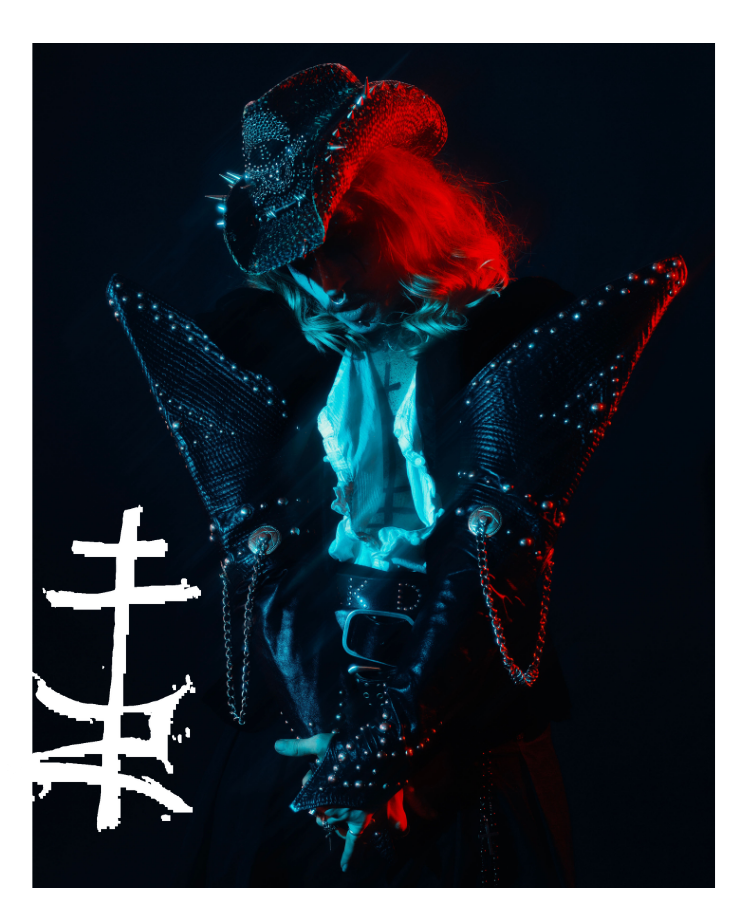

Technomortic Live Ritual
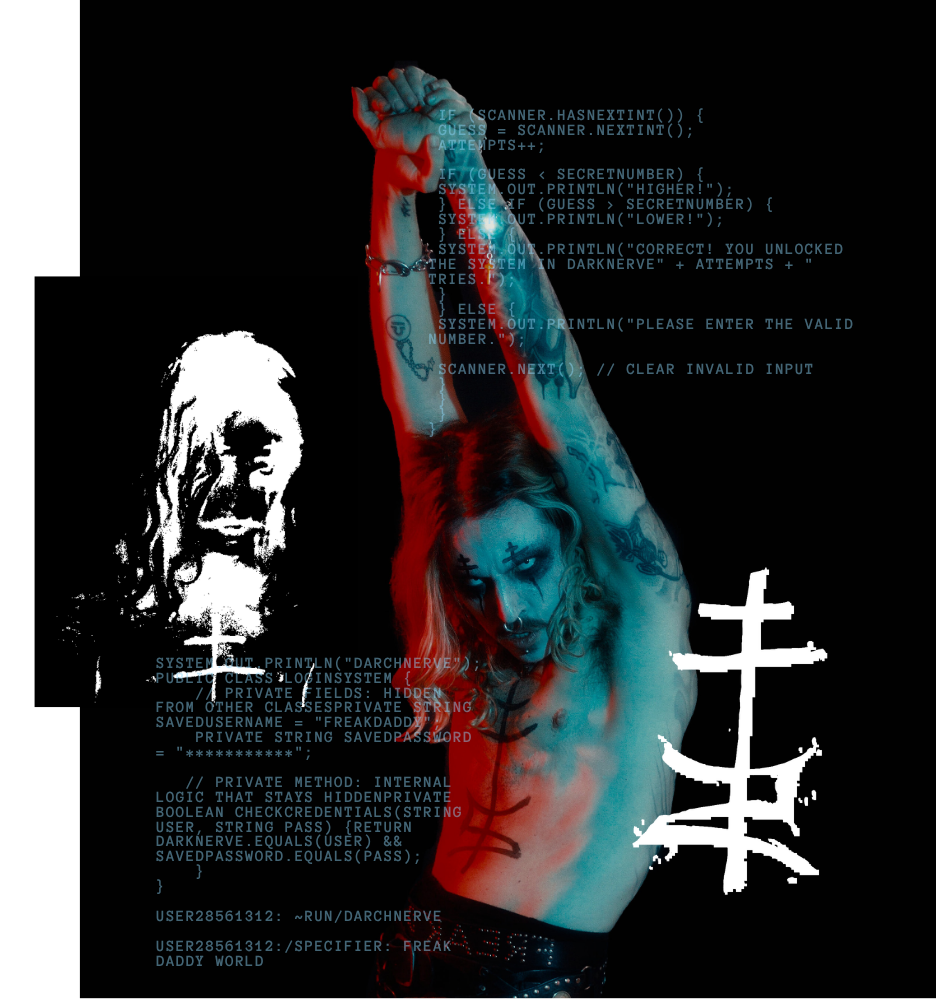
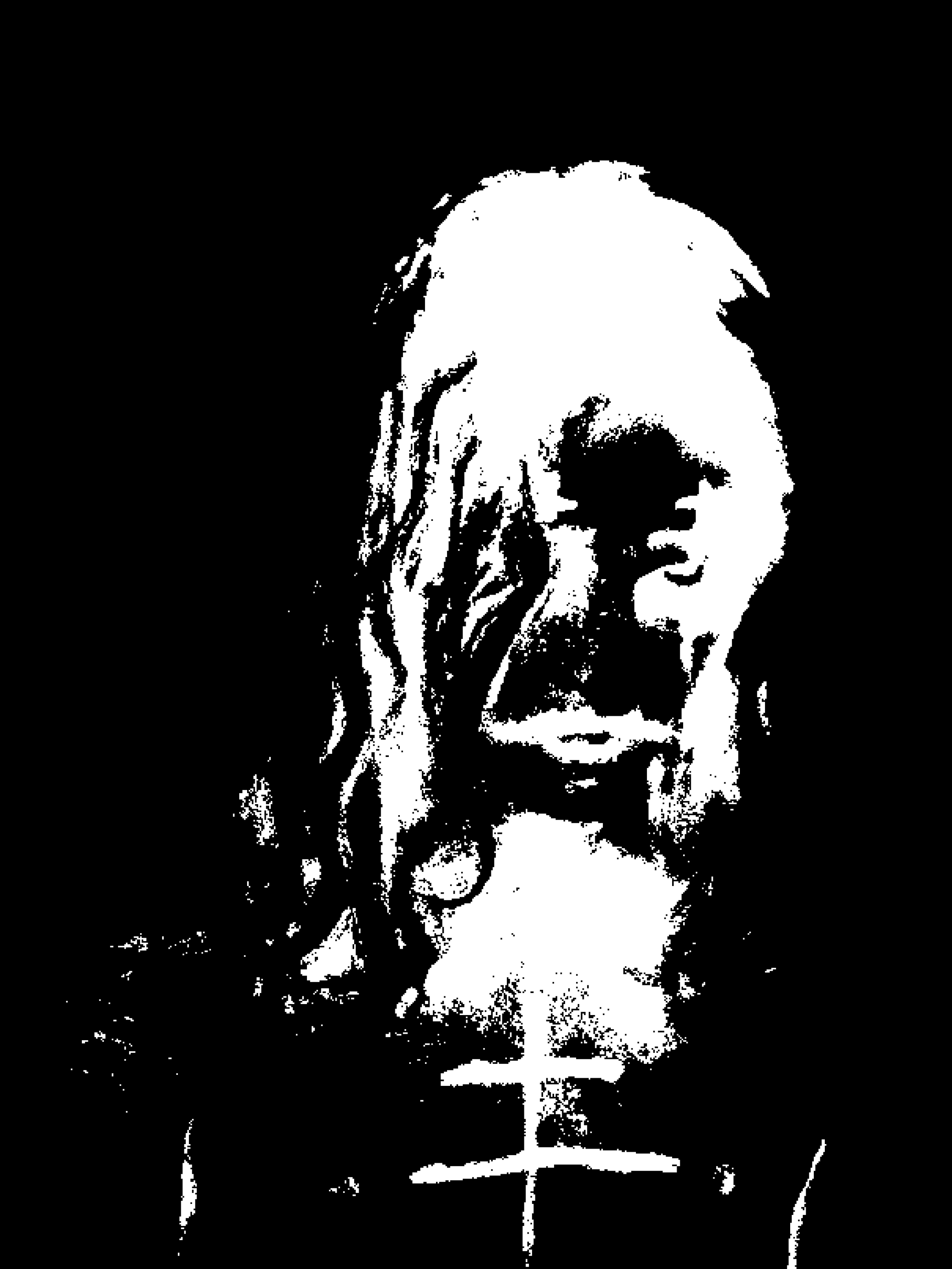
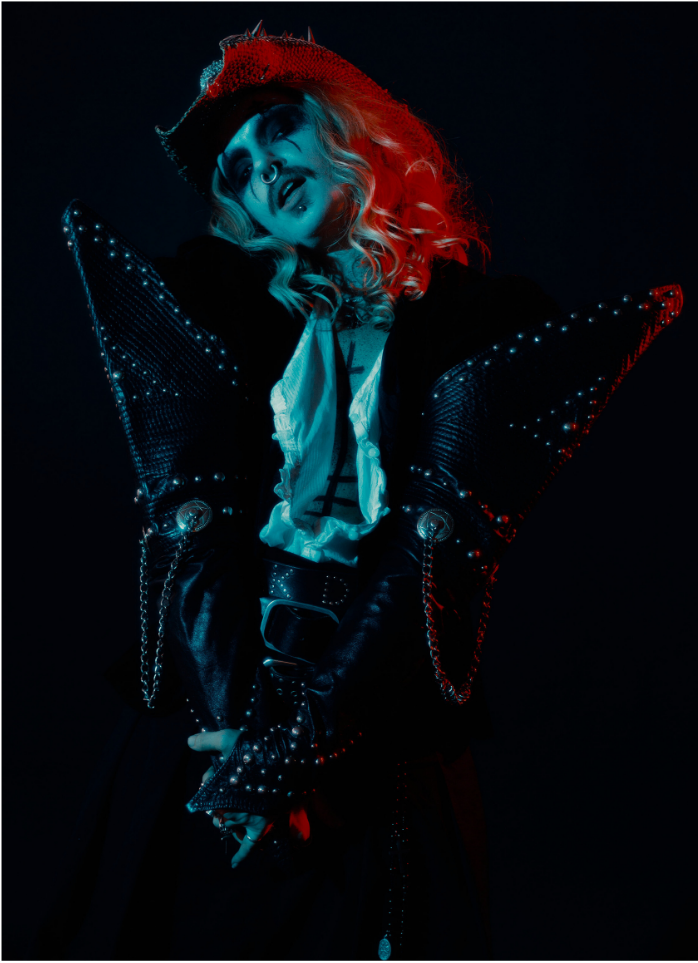
Uriel Lane is an accomplished musician, with his performance artist project Freak Daddy landing him major festival appearances and songs synched on national television shows. His latest series, Darchnerve: Inner Sanctum, incorporates audio and visual elements to create an environment for audiences to lose themselves in ritualistic technomortic communion.
FREAK DADDY LIVE AT THE GLITCH ARTIST RESIDENCY HOSTED AT CHATEU DE FËY
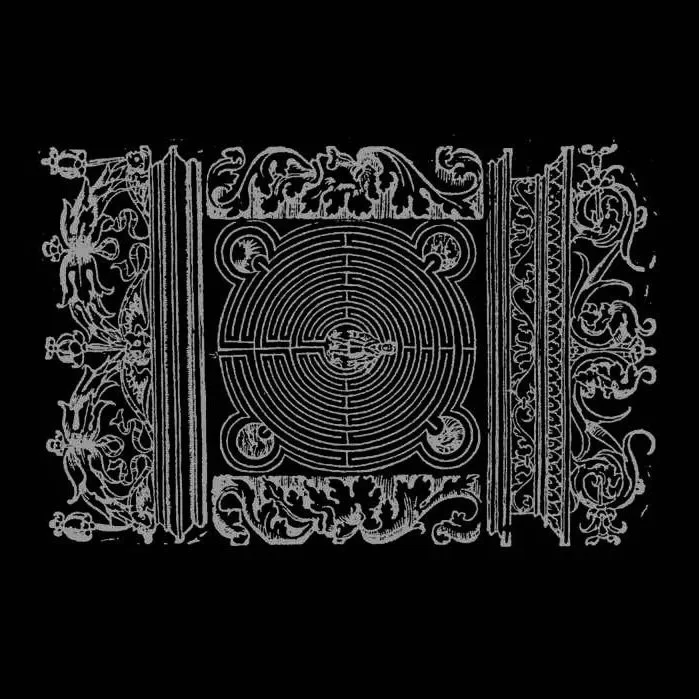
TECHNOMORTIS
MANIFESTO

Technomortis [techno-technology; mortis-death] opposes the use of the fear of death as a driving force for technological advancement, citing it as a form of spiritual psychosis corrupting the minds of those who seek to advance human society. The philosophical viewpoint is in response to an observation of a pattern of thought described as ‘techgnosis’, coined in 1999 by Erik Davis, which aims at ascension
into a technological “spirit” through means such as digital identity and artificial intelligence with a goal of digital immortality. Technomortis is not a rejection of modern technology; instead, it is a reframe that provides a more stable paradigm for the recalibration of existing technologies and the development of what is yet to come, emphasising the importance of integrating our understanding of mortality with technological progress.
DARCHNERVE PATREON